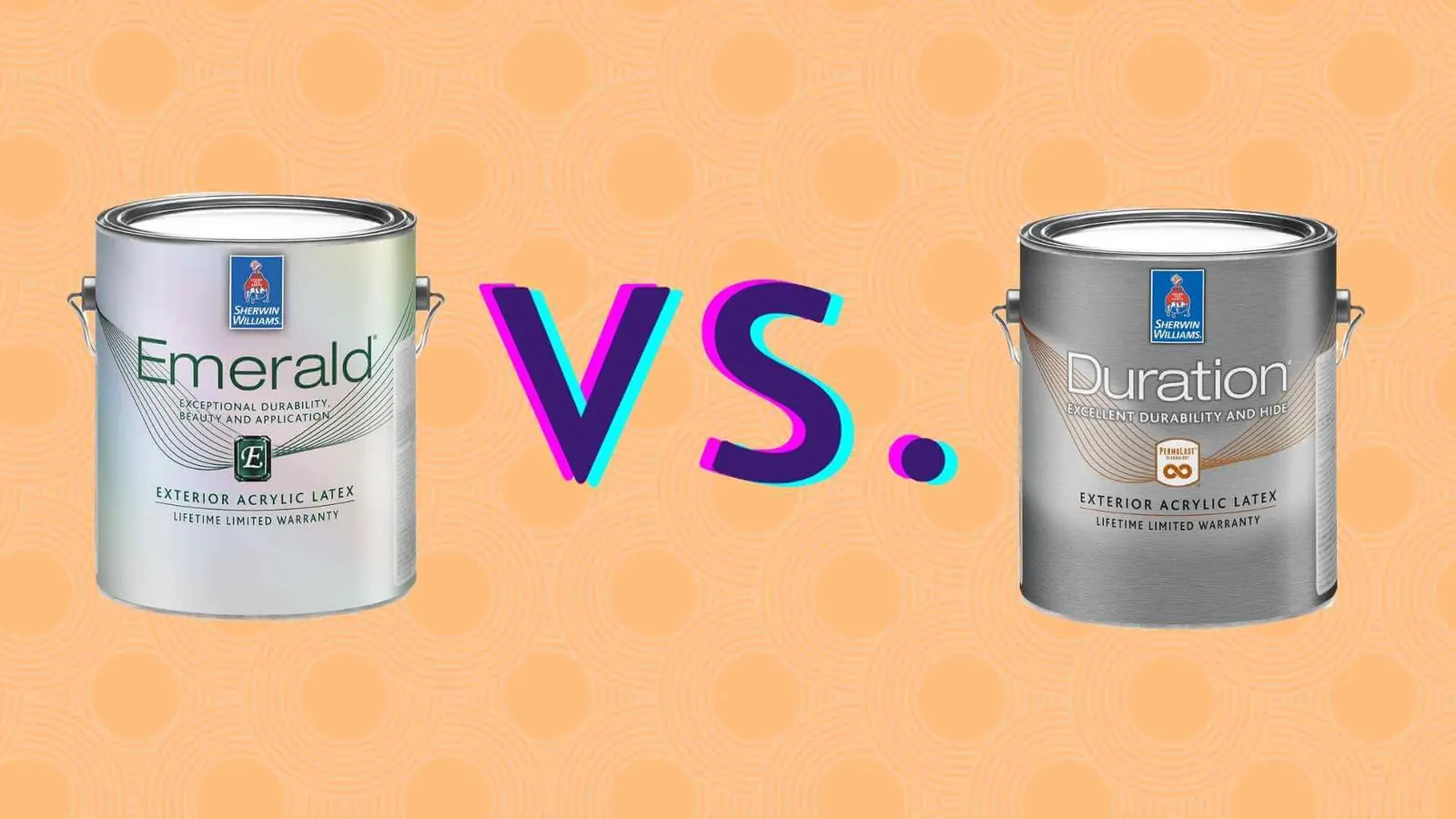
What is the difference between Sherwin Williams Emerald and Duration? It is easy to assume all paints are broadly the same, but they vary enormously in price, quality, chemical makeup, sheen, coverage and color selection. On an exterior, where the coating is doing real work against weather, that difference shows up fast.
Here is how Sherwin Williams' two premium exteriors compare.
Sherwin Williams Duration
Duration arrived in 2002 and quickly became a go-to for higher-end painters, because it offered greater coverage and a flexible finish. Before Duration, most paint products needed multiple coats. Duration was one of the first to eliminate that step, which cut labor cost as well as materials.
It achieves that coverage because it is thicker than ordinary latex paints. It is self-priming, and it comes in flat, satin and gloss.
Flexibility
Along with the coverage, what people liked about Duration was its flexibility. As Duration cures it keeps a softer film, and that is the single biggest difference between it and Emerald.
A softer, thicker film is more flexible, which is a genuine advantage in a climate with large temperature swings. Big temperature changes make siding and trim swell and shrink, and a flexible film moves with them instead of cracking.
There is a trade-off, though. Because Duration is soft, it gets dirty faster than harder paints. That matters more than it sounds: dirt and pollution sitting on the surface make the coating break down sooner, and the first signs of breakdown are chipping, peeling and cracking. If you go with Duration, wash the house regularly and deal with any damage quickly.
Sherwin Williams Emerald
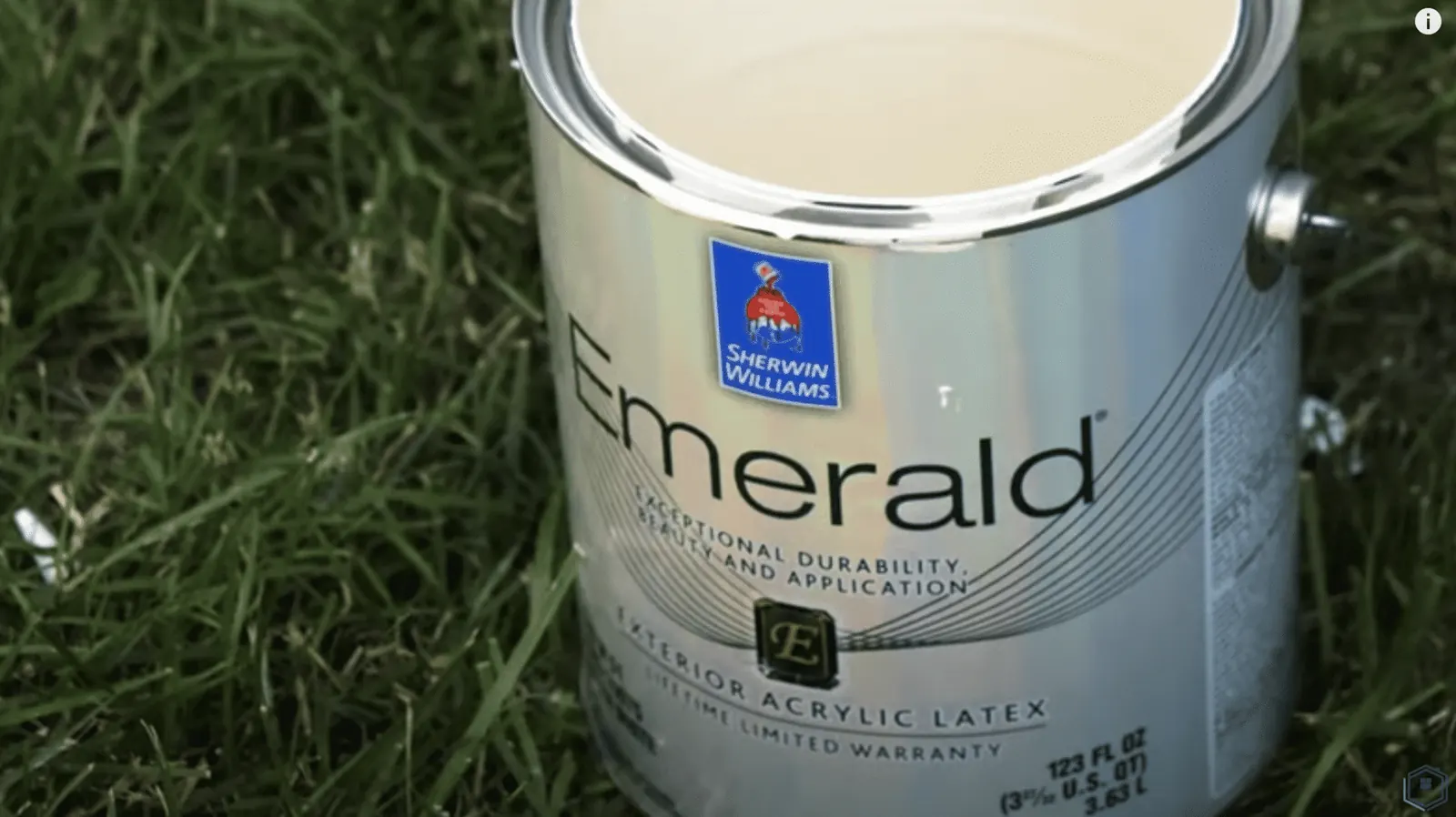
Emerald launched in 2012 and steadily overtook Duration to become Sherwin Williams' top-tier exterior product. There is also a supercharged version worth knowing about, Emerald Rain Refresh.
The two share a lot. Both are celebrated for coverage and durability, both are self-priming, and both come in flat, satin and gloss.
Coverage
Emerald gets the same coverage as Duration without having to be as thick. That makes it the more efficient of the two: more coverage from less product, lower material cost, and full coverage achievable in a single coat on a sound surface.
Dirt resistance
Emerald cures to a tighter, harder film than Duration, and its cross-linking technology helps it resist dirt pickup. Given how directly dirt accelerates breakdown, staying cleaner between washes is a durability advantage as much as a cosmetic one. This is the main reason Emerald displaced Duration at the top of the range.
The verdict
Both are genuinely good paints. Duration is a time-tested favorite with excellent coverage, durability and flexibility, and on a house that moves a lot seasonally, that flexible film is a real argument in its favor.
For most exteriors, though, Emerald is the better choice. It matches Duration's coverage with less product, and its harder, cross-linked film stays cleaner, which is what buys the extra years. The two sit close enough on price that the difference is rarely the deciding factor, and Emerald's efficiency tends to close that gap in materials anyway.
Whichever product you choose, prep is what determines how long it lasts. If you are weighing up an exterior repaint, talk to us or read more about how we approach exterior painting.
Frequently asked questions
Is Sherwin Williams Emerald better than Duration?
For most exteriors, yes. Emerald gets the same coverage as Duration without needing to be as thick, and it cures to a tighter, harder film that resists dirt pickup better. Duration is still an excellent paint, and its softer, more flexible film has a real advantage on a house that moves a lot with temperature.
What makes Duration more flexible than Emerald?
Duration cures to a softer film. That flexibility matters where big temperature swings make siding and trim swell and shrink, because a softer film moves with the substrate instead of cracking. The trade-off is that a softer film picks up dirt faster.
Why does dirt pickup matter on exterior paint?
Dirt and pollution sitting on the paint surface speed up how fast the coating breaks down. The first signs are chipping, peeling and cracking. A paint that stays cleaner between washes lasts longer, which is the main practical advantage Emerald has over Duration.
Are Emerald and Duration self-priming?
Both are, and both come in flat, satin and gloss. Self-priming is part of why either one can reach full coverage in fewer coats than an ordinary latex, which saves on labor as well as materials.
Ready to see it on your walls?
Get a free estimate and a certified color consultation, with no payment until you are 100% satisfied.
Book My Free Estimate